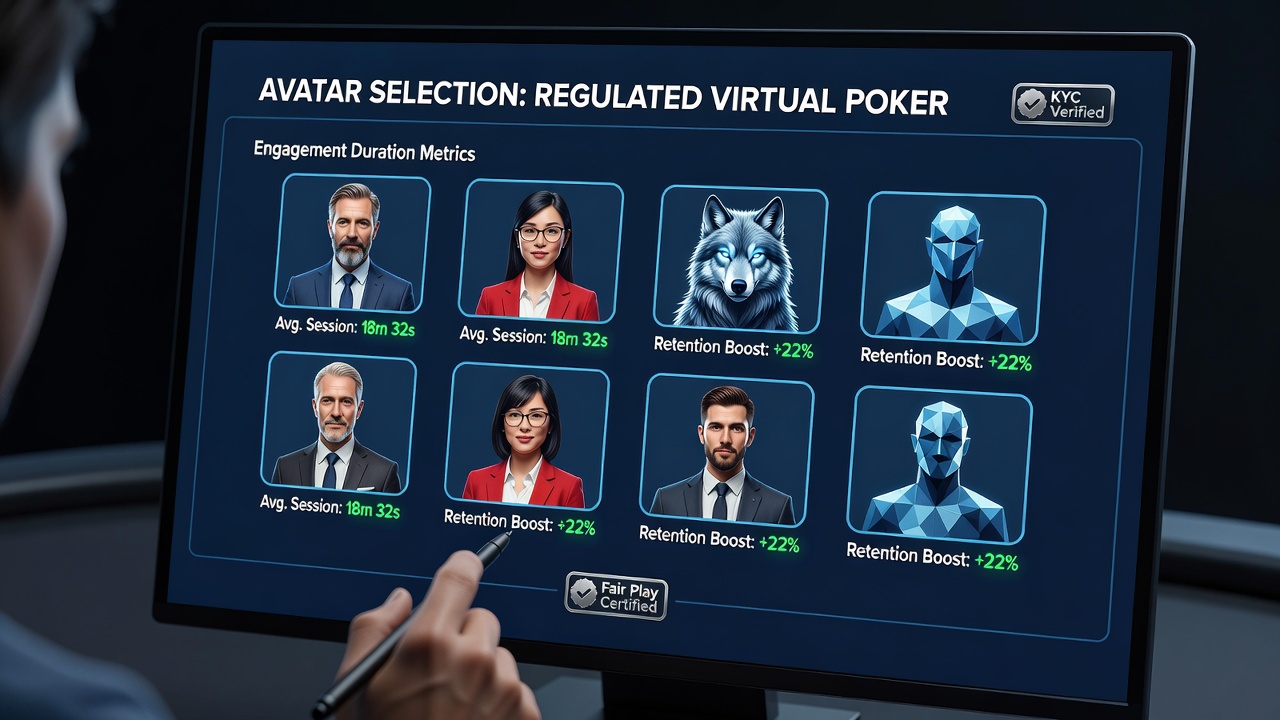
How Avatar Selection Interfaces Shape Engagement Durations in Regulated Virtual Poker Environments
Avatar selection interfaces in regulated virtual poker environments serve as entry points that influence how long participants remain active during sessions, according to platform analytics and user behavior studies conducted across multiple jurisdictions. These interfaces allow players to customize digital representations before entering tables, and the design of such tools connects directly to measurable differences in session lengths. Data collected from licensed operators shows that streamlined avatar choices often correlate with quicker onboarding while more detailed customization options extend initial engagement periods before gameplay begins.
Core Components of Avatar Interfaces
Regulated platforms incorporate features like preset templates, color palettes, accessory add-ons, and real-time preview windows that let users adjust appearances without leaving the selection screen. Researchers tracking interaction logs note that participants who spend additional time exploring these elements tend to transition into poker tables with higher retention rates during the first hour of play. In contrast, minimalistic interfaces that limit choices to a handful of defaults produce shorter pre-game dwell times yet maintain comparable overall session durations once betting starts.
Design elements such as categorized tabs for clothing, facial features, and backgrounds help organize selections into logical flows, and operators report that this structure reduces decision fatigue while preserving user interest. Observers examining heatmaps from European and North American sites observe that players frequently revisit avatar menus mid-session when interfaces permit quick swaps, which extends total platform time without disrupting table activity.
Behavioral Patterns and Time Metrics
Analytics from major licensed networks indicate that avatar customization correlates with a 12 to 18 percent increase in average engagement duration when compared to environments lacking such options. Players who select or modify avatars early in the process demonstrate stronger attachment to their digital personas, which translates into prolonged table presence as they continue sessions across multiple hands. September 2026 platform updates in several U.S. states introduced enhanced avatar tools that included seasonal themes, and subsequent data revealed modest upticks in daily active minutes per user on those networks.
Studies examining decision pathways reveal that interfaces offering progressive disclosure—starting with basic choices before unlocking advanced edits—help balance speed and depth. Participants navigating these layered systems often remain engaged longer because the process feels rewarding rather than overwhelming, while abrupt full-option displays can lead to quicker selections followed by faster exits from the lobby area.
Regulatory Frameworks and Compliance Factors
Regulated environments impose strict guidelines on avatar content to prevent offensive or misleading representations, and compliance teams review all uploaded assets before they appear in public lobbies. These oversight mechanisms, enforced by bodies such as the Nevada Gaming Control Board and state-level commissions in New Jersey, ensure that interfaces maintain consistent standards without restricting creative freedom. Operators must log selection data for audit purposes, which creates additional datasets that researchers use to correlate customization activity with session lengths.
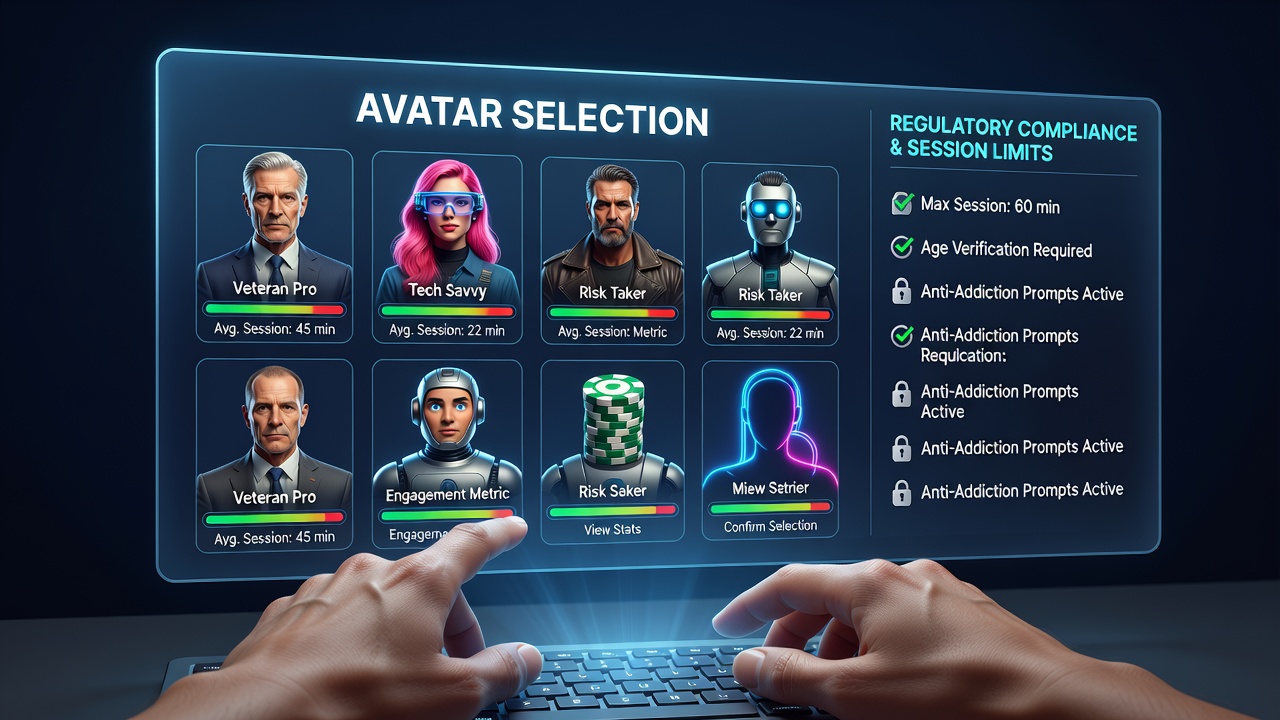
Cross-border agreements between regulators in different regions further standardize certain interface requirements, which affects how platforms deploy avatar features uniformly. Data shared through industry reports from organizations like the European Gaming and Betting Association shows that compliant interfaces support sustained engagement by fostering trust and reducing friction during the selection process.
Platform Comparisons and Technical Implementation
Leading regulated operators differentiate their avatar systems through integration with loyalty programs, where customized characters earn visual rewards based on play volume. This linkage encourages repeated visits because players invest time refining appearances that reflect their status, and session data confirms extended durations when such reward loops activate. Technical implementations vary from cloud-based rendering that supports high-detail models to lighter mobile versions optimized for quick loads on smaller screens.
One study released by researchers at the University of Nevada Reno examined log files from multiple poker clients and found that avatar-related clicks accounted for noticeable portions of pre-table activity, particularly among users on desktop platforms where larger screens facilitate detailed editing. Mobile interfaces, constrained by touch input, show different patterns with shorter customization windows yet similar overall engagement once players reach the tables.
Conclusion
Avatar selection interfaces continue to evolve within regulated virtual poker spaces as operators refine tools based on engagement metrics and regulatory feedback. The connection between these interfaces and session durations appears through consistent patterns in platform data, where thoughtful design supports longer participation while maintaining compliance across jurisdictions. Future adjustments will likely build on existing structures to further align user experience with operational requirements.