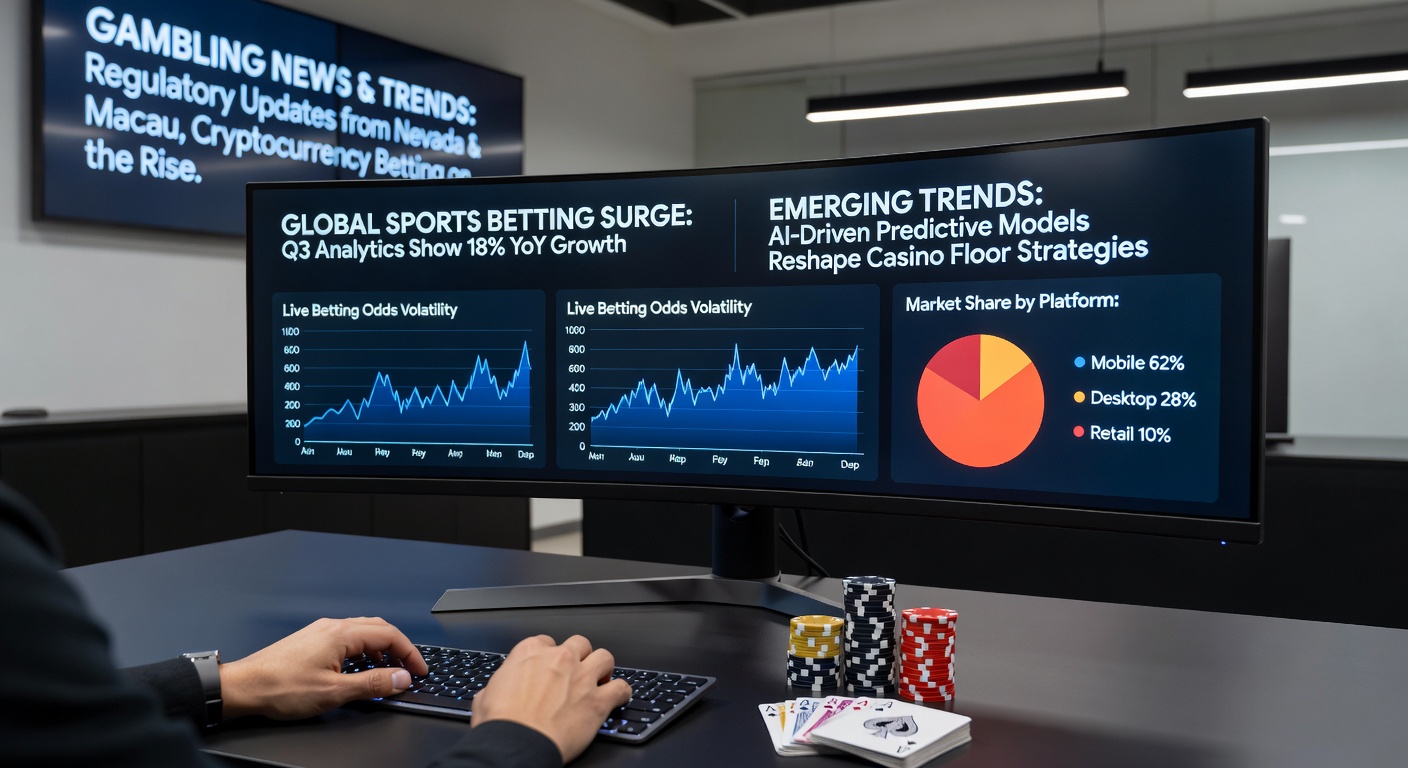
American Gaming Association Takes Stand on Prediction Markets at G2E Las Vegas
At the annual G2E conference held in Las Vegas, American Gaming Association CEO Bill Miller described the organization as operating on war-time footing in response to the rapid expansion of prediction market betting, and the statement came during a state of gaming panel that included CEOs from MGM, Caesars, and Wynn who addressed the same competitive pressures.
Panel participants reviewed recent court outcomes that have affected prediction market operators, including losses for Kalshi and Polymarket in the 6th and 9th Circuits along with ongoing litigation in the 4th Circuit, and they noted New York’s separate lawsuits against both companies as additional factors shaping the current environment.
Conference Context and Industry Response
Attendees gathered in October 2026 to examine how prediction market platforms have grown while traditional casino operators navigate overlapping regulatory frameworks, and Miller’s characterization of the situation as war-time footing highlighted the urgency that the American Gaming Association attaches to these developments. The panel format allowed direct discussion among executives whose companies hold significant market positions in commercial gaming, and those executives outlined specific areas where prediction market activity intersects with existing casino operations.
Observers note that the conference setting provided a venue for industry leaders to align on shared concerns without issuing formal policy statements, while the presence of multiple major operators on one panel underscored the breadth of interest in the topic across different market segments.
Legal Developments Shaping the Landscape
Court rulings in the 6th and 9th Circuits have produced setbacks for Kalshi and Polymarket, and these decisions have prompted the companies to adjust their contract offerings in certain jurisdictions, whereas the 4th Circuit cases remain unresolved and continue to draw attention from both operators and regulators. New York’s lawsuits against Polymarket and Kalshi add another layer of state-level enforcement that industry participants monitor closely for precedent value.
These legal actions have created a patchwork of outcomes that vary by circuit and by state, and participants at the G2E panel referenced the resulting uncertainty as a reason for coordinated industry engagement with federal and state authorities.
Regulatory Proposals Under Consideration
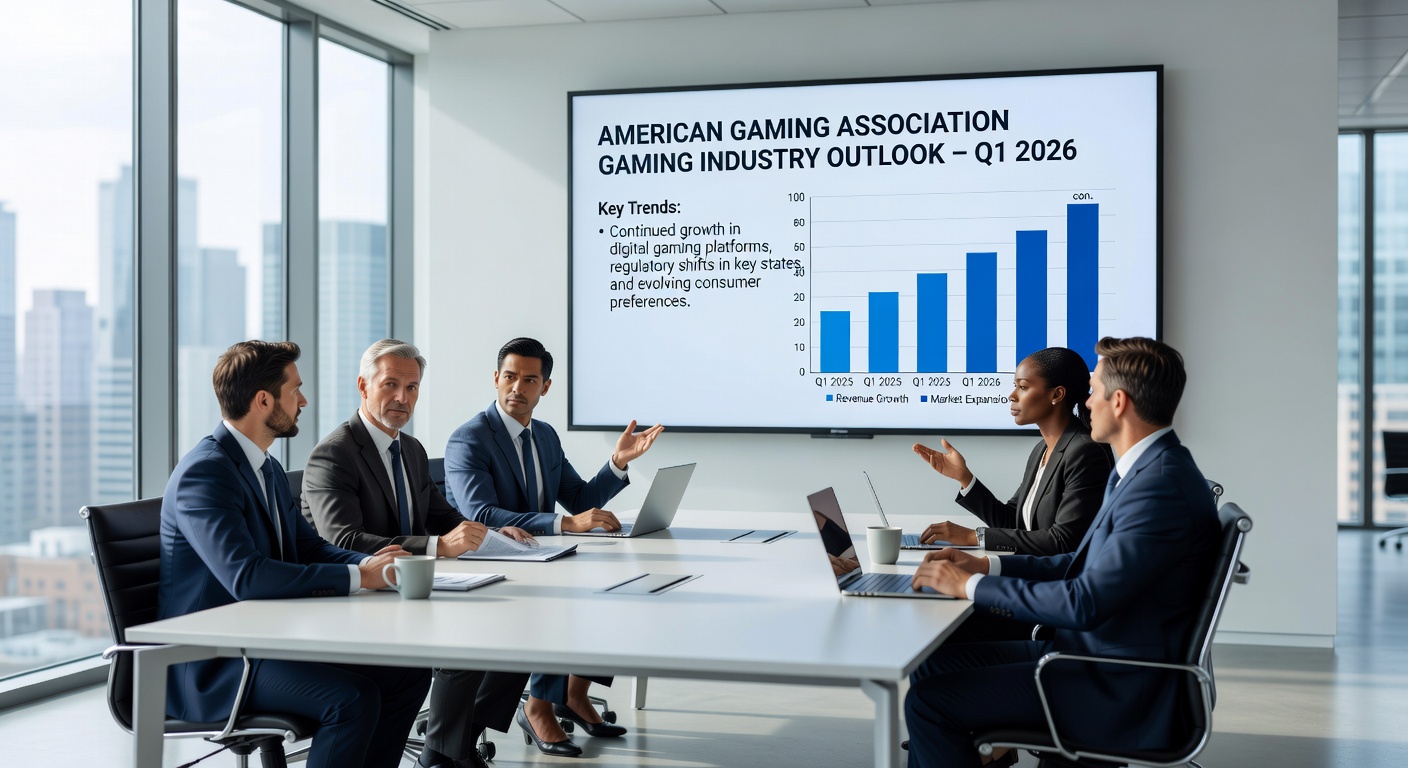
The Commodity Futures Trading Commission has advanced proposed rule changes that target event contracts by closing loopholes that have allowed certain casino-style offerings, and the same proposals reinforce the classification of event contracts as swaps under existing definitions. Industry representatives at the conference discussed how these changes could affect the scope of permissible products for prediction market platforms while preserving the overall framework that governs derivatives markets.
Those who have followed the regulatory process note that the CFTC proposals emerged after multiple rounds of public comment and after earlier court challenges clarified the agency’s authority in this area, and the timing of the proposals coincides with heightened scrutiny of prediction market growth in several states.
Broader Implications for Market Participants
Traditional gaming companies and prediction market operators now operate under differing sets of constraints that stem from both judicial rulings and agency rulemaking, and the American Gaming Association’s position reflects the view that these differences require ongoing attention at the federal level. Panel discussions at G2E touched on how casino operators might respond to product overlap while maintaining compliance with state licensing requirements that do not apply to all prediction market platforms.
Data from recent months shows continued activity in both sectors, and the legal and regulatory developments referenced at the conference provide the immediate backdrop against which future business decisions will be made.
Conclusion
The statements made at the G2E conference in Las Vegas capture a moment when the American Gaming Association and major casino operators are responding to the expansion of prediction markets through legal, regulatory, and industry channels. Court outcomes in multiple circuits, state-level litigation in New York, and proposed CFTC adjustments together define the current parameters, and participants at the event indicated that further engagement on these issues will continue in the months ahead.